I think I should blog again.
Definitely no more time for a long detailed post so I think a few lines of thoughts will do.
A new blog for a new fresh start, maybe? 😀
I think I should blog again.
Definitely no more time for a long detailed post so I think a few lines of thoughts will do.
A new blog for a new fresh start, maybe? 😀
I miss blogging. But time is really a factor at the moment. Prioritizing. Is what I am struggling to do right now. And for the time being, sleeping is the only thing that I choose to do in my free time.
By the way, I am about to leave O&G in just a couple of weeks. Will be entering Medical after that. Viva is just around the corner and there’s a lot of things to revise in just a short time. Just pray that things will turn out just fine at the end of the day.
Just off-tagged. Life is very hard I tell you. 2 weeks have gone by, but I couldn’t remember the last time I could finish up my day without being scolded. Macam takde je scold-free day. Huhu. Feel very stupid most of the time, but didn’t have time to improve since I was too tired because of the workload and unable to study and revise things that I used to learn during my life as a medical student. Hmmm. Nevermind lah. Just go with the flow and I am sure that before I even realize it, this adaptation phase will be over already.
The most important thing is for you to pray for me.
I’ll be reporting my duty as a house officer (H.O) at Hospital Tuanku Jaafar, Seremban Negeri Sembilan this coming Monday. Induction will be over tomorrow afternoon and up until now, I still didn’t have a place to stay during my 2 years in Seremban. The hostels are all full and so did the nearby houses. Aduiiii masalah betul. And plus I didn’t have any transportation to the hospital. Susah betul lah. Really didn’t expect that this kind of problem will arise. Ingat hostel sure dapat punya tak kan full. Tapi, it’s the other way round pula. Dugaan dugaan.
Option yang ada up to this point hanyalah menyewa bilik with other senior HO yang looking for a housemate at least for a while up until the husband and I find a proper house to stay. Tapi tak tahu lah bila.
Dah la memang tak berapa bersemangat nak start kerja. With this kind of problem, memang demotivated terus. Sedih.
Okay lah, berhenti sekejap dari cerita pasal wedding. Setelah lama bercuti dan menjadi full time house wife, dah tiba lah masanya untuk saya memasuki alam pekerjaan. Berat sangat hati ini nak start kerja. Bukan sebab dah selesa dengan kehidupan sebagai seorang suri rumah, tetapi lebih kepada menghadapi alam pekerjaan itu sendiri. Alam yang hectic, restless, penuh dengan herdikan, tengkingan, hamukan dari superiors. Patut kerja penat macam apa wujudkan lah working environment yang lebih mesra alam. Ni tak, patut ke marah-marah depan patient, maki hamun dengan perkataan yang kasar dan tak sedap didengar. Nama je professionals, tapi attitude tak menunjukkan pun. Staff yang sekerja pula biasanya sombong-sombong, tak friendly dan lokek dalam memberikan tunjuk ajar. Buat orang lebih stress je. Memang kena kuat mental dan fizikal betul.
Itu dari hundreds of stories yang saya dengar tentang alam pekerjaan ini dari rakan-rakan yang sedang atau sudah melaluinya. Harap realitinya tidak lah seburuk yang diceritakan.
Induction is next week. Lepas tu, dah start kerja. Harap hospital yang saya dapat nanti, staff dia semua baik-baik dan rajin memberi tunjuk ajar. Harap alam pekerjaan akan memberikan pengalaman yang indah dan bermakna dalam hidup saya. Akan mengajar saya untuk jadi doktor yang lebih baik. Harap saya akan kuat dan sentiasa dilindungi Allah untuk menghadapi semua ini.


Antara gambar pelamin saya tempoh hari. Super simple. The thing is, the length between the floor and the ceiling of my house is too short, so memang tak muat nak pakai pelamin panel yang ada tiang-tiang, frame-frame semua tu. So we settled with the most simple one lah je kan. Itu pun kena additional fees sebab nak tambah 3 pasu bunga-bungaan tu.
Cerita pasal pelamin ni, teringat satu incident yang membawa pengaruh besar kepada incident yang lain keesokan harinya. But before that, I just want to recap that my solemnization was held on Saturday morning (Jan 1st) followed by reception later in the afternoon, the same day. But the kenduri makan-makan has started on Friday (Dec 31st) night.
The bridal yang incharge pasal pelamin, hias tangga, pintu gerbang, baju reception lelaki, and make-up had promised us to come and set the pelamin up on Thursday night (Dec 30th) since Friday dah start kenduri kan. Tapi tunggu punya tunggu malam tu sampai nak dekat pukul 11 malam tapi tak datang-datang. I messaged the owner and reminded her that tomorrow (Friday) is kenduri day already and she said that pelamin will be settled by tomorrow morning. Okay lah kan walaupun my mom dah sedikit pissed off sebab dah janji nak pasang, and kita dah tunggu sampai malam, dan yang paling dukacita sebab they didn’t call us whatsoever to at least inform us that they couldn’t come on Thursday, kita pula yang kena message memang tak patut lah tapi time tu still bersabar sebab dia janji besok pagi akan settle semua.
Nak dijadikan cerita, esok pagi sampai tengah hari tak jugak nampak batang hidung, my mom’s friends yang datang dah mengomen, “Hey Minah rumah kau ni tak de pelamin ke?” yang telah menyebabkan my mom semakin naik amuk. I message the bridal again, and reminded her once more about my kenduri which will be held later in the night. Saya time tu tak marah pun, dah macam pasrah sebab macam-macam sangat benda yang jadi not according to plan tapi it’s more to my mom lah kan yang pening kepala sebab beliau yang incharge pasal kenduri semua and dengan pressure dari kawan-kawan yang asyik tanya pasal pelamin je kan.
It’s past Zuhur already, kawan-kawan my mom makin ramai yang datang, semua keep on questioning the presence of the pelamin and all, my mom makin pressure, dia suruh call the bridal. My sis offered to call her since saya tak nak call, nak message je, malas kan nak cari gaduh. Since my sis berkeras jugak nak call, so I agreed to give her the number. She called her, and she re-renewed the promise and told my sis that everything will be settled by Asar. Okay lah kan kita tunggu lagi.
Asar pun berlalu, senjakala hampir menjelma. My mom waktu tu dah merasap-asap dah. My sis called the bridal again. Waktu tu semua orang dah pissed off kan (I was more to worry actually), so my sis pun cakap lah dengan nada yang marah-marah cakap yang berapa kali dah janji tapi tak sampai-sampai. She hung up the phone without saying anything, yang membuatkan my sis bertambah bengang. Tapi, kakak tu tak tahu yang call tu adalah adik saya, sebab waktu pertama kali telephone my sis introduced herself as me so dia ingat saya lah yang cakap dengan nada marah etc tu kan.
Tepat bila berkumandangnya azan Maghrib, orang bridal pun datang nak pasang pelamin. Sedangkan kenduri dan Marhaban akan start after Maghrib around 8.30 pm. Marhaban buat dalam rumah dan pelamin pun dalam rumah so patutnya before Marhaban start, pelamin dah siap semua sebab takkan time majlis dah start makcik-makcik Marhaban kena berhimpit-himpit dengan orang-orang yang pasang pelamin kan. Bila diorang datang, apa lagi, memang kena sembur lah dengan my mom. Saya time tu kat atas, dengar dari bawah pun dah horror sebab suara my mom memang tengah gegak gempita maki-hamun diorang. Kesian jugak kan sebab diorang tak tahu apa-apa, just pasang je. Yang patut dimarahi adalah boss/orang yang manage/buat schedule untuk diorang pasang pelamin. Kena lah prioritize pelamin siapa yang kena pasang dulu.
Tahu lah pelamin saya simple, tak ada additional fees beribu riban ringgit and sangat senang untuk dipasang, tapi tak perlu lah nak double standard the customers kan. Patut dah janji kenalah ditepati. Kalau majlis saya Saturday morning tu baru start bukannya Friday night pasang Friday night pukul 12 tengah malam pun I don’t give a damn. Tapi dah janji kan lepas tu bukannya nak mintak maaf and inform us ke apa, biar je kitorang menunggu, tak professional la kan. I understand lah Jan 1st memang banyak majlis yang the bridal dah engaged dengan, and I was told that they had joined the Karnival Pengantin at Stadium Melawati also kan, itu yang jadi huru hara sikit, tapi janji tetap janji. The quality of service kena lah jaga. Kalau tak mampu nak handle, tak payah nak ambil banyak-banyak sangat majlis or if needed, add more manpower to the existing crew. Apa-apa je lah yang perlu to keep the bussiness running smooth as silk and to maintain the service provided to the customers. Tak payah lah nak menganak-tirikan and dividing the customers according the the amount they pay you. Semua orang deserve untuk dapat service yang tip top regardless of how much they’ve paid you.
I am not mad, seriously I am not. But more to disappointed. Dahlah the bridal charge paling mahal compared to other bridals in my place. Kita ambil yang paling mahal, dengan harapan service pun setanding lah dengan bayaran. Lepas tuh bila dah berjanji, kenalah tepati. Bila tak dapat nak tepati sebab ada hal lain, tak pe, tapi jangan lah lupa inform the customer. Remember yang kita yang cari customer, bukan customer yang cari kita. Kita yang kena jaga hati customer bukannya sebaliknya. Professionalism haruslah dijaga at all times.
One of my mom’s friend yang dulu pun pernah ambil the same bridal waktu anak beliau kahwin pun pernah terkena perkara yang lebih kurang sama. Tapi at least orang tu datang pasang pelamin pukul 12 tengah malam lah kan and her kenduri esok paginya so no hal lah. Walaupun quiet inconsiderate lah kan datang rumah orang tengah-tengah malam time orang nak berehat just untuk pasang pelamin dan dah janji nak pasang earlier tapi tengah malam baru sampai.
So that’s the story about my simple pelamin. Benda pun dah lepas. Majlis pun dah lama berlangsung. Dah selamat, dah happily married pun dah. The reason I wrote all this in details bukannya nak mengaibkan atau menjatuhkan sesiapa. It’s more to self-documentation actually. Kenangan kan semua ini. Baik buruk pun kenangan saya. Harap juga dapat dijadikan ikhtibar dan pedoman kepada sesiapa.
Hasil kerja the bridal memang tip top lah, I have no doubt about that. Dari pelamin hingga ke make-up, memang lawa walaupun simple. Tapi tang quality of service memang kureng sikit. Pakaian lelaki pun macam dah sikit rosak walaupun tak nampak sebab tutup dengan coat luar tu, tapi patut kena lah buat baru kalau rosak. Tak boleh lah nak terus pakai sampai koyak rabak kan. Tak payah lah nak bagi keutamaan kepada bride and groom yang request nak baju baru dengan bayaran yang mahal je, baju-baju lama pun kena lah maintain. Kalau dah rosak, buat lah yang baru. Tak susah pun. Tengkolok pun berkarat kotor seperti tak pernah dicuci langsung. Oh lagi satu, kerusi pengantin pun dah berkeladak jugak. Tahu lah kalau nak pakai kerusi baru berkilat kena tambah ribu riban ringgit yang sepatutnya tak perlu ada additional charge pun sebab dah macam tanggungjawab the bridal lah kan as the service provider untuk bagi benda-benda yang walaupun dalam package yang murah, tapi bersih and nampak brand-new. Kalau dah berdaki sangat tu, tukar lah yang baru. Atau salut dengan kain lain yang dijahit berasingan kalau kerusi tu itself masih boleh diguna. Ini semua pasal maintenance and how we care about customer’s satisfaction. Tak boleh lah berpegang pada prinsip kalau nak cantik and brand new, it’s all about the money; kena tambah duit. Tak boleh lah macam tu. Customer yang tak mampu pun kena lah ambil kira. Kenapa, kalau tak ada duit tak deserve untuk dapat service yang terbaik ke? Tak patut lah macam tu kan.
Okaylah panjang berjela betul dah ni. Itu jela pengalaman saya and my two cents. Thank you for reading.
9 dulang berbalas 11. He gave me 9, I gave him 11 in return.
I don’t want to comment banyak-banyak about the hantarans, let’s just let the pictures do the talking lah ye.
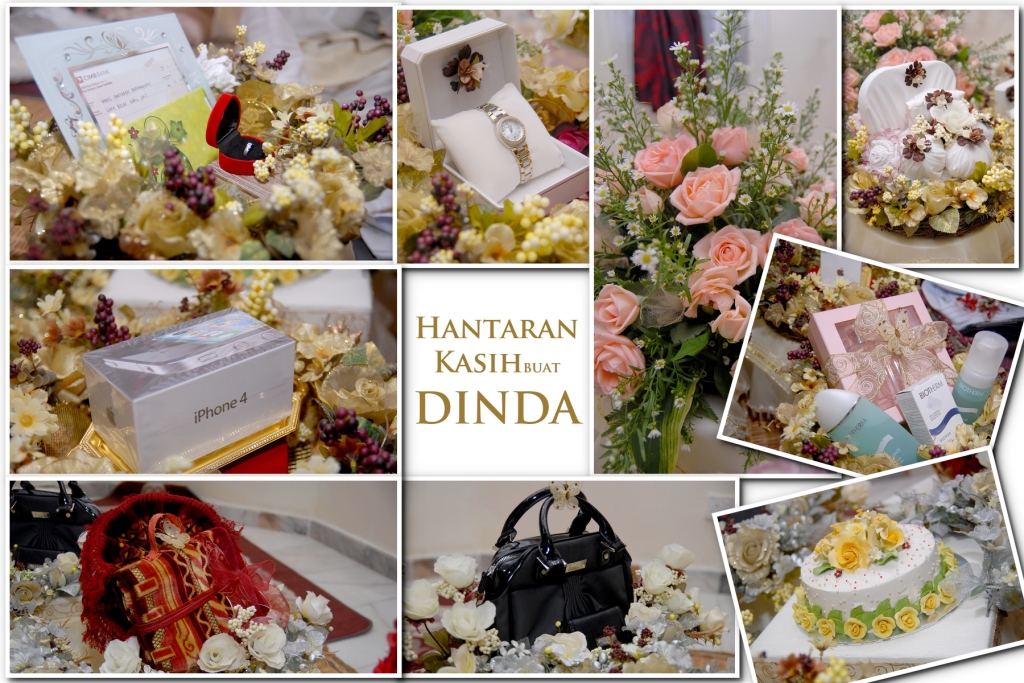

P.S. Click pictures to enlagre.
Just so you know, I had to force myself real hard to continue on updating this blog. Heh. Lazy me, lazy me. Blogs, Facebook, Twitter – everything does not excite me as they used to be. Not anymore. Now, blogging is more like an obligation, rather than something that I want/like to do voluntarily. Why? Hmm sorry, even I myself haven’t/couldn’t found the answer to that.
Anyhoooooo, enough with the introduction. Let’s move on to the main topic, shall we?
Unlike other people who’s ‘kind’ enough to spend RM150 (average price, not including travelling fees if you want the artist to come and do it at your house) on Henna/Inai, I on the other hand was lucky enough to have one of my good friend done it for me, for free of course. Hehe. I just bought the Henna/Inai from the shop at only RM5 per tube. Murah, right? And save gila tau duit! Hehe. I just googled the design, and e-mailed it to her days before so that she can ‘study’ it and 2 days before the wedding, I came over to her house for some Henna! Hehe.
Okay, mari tengok gambar!


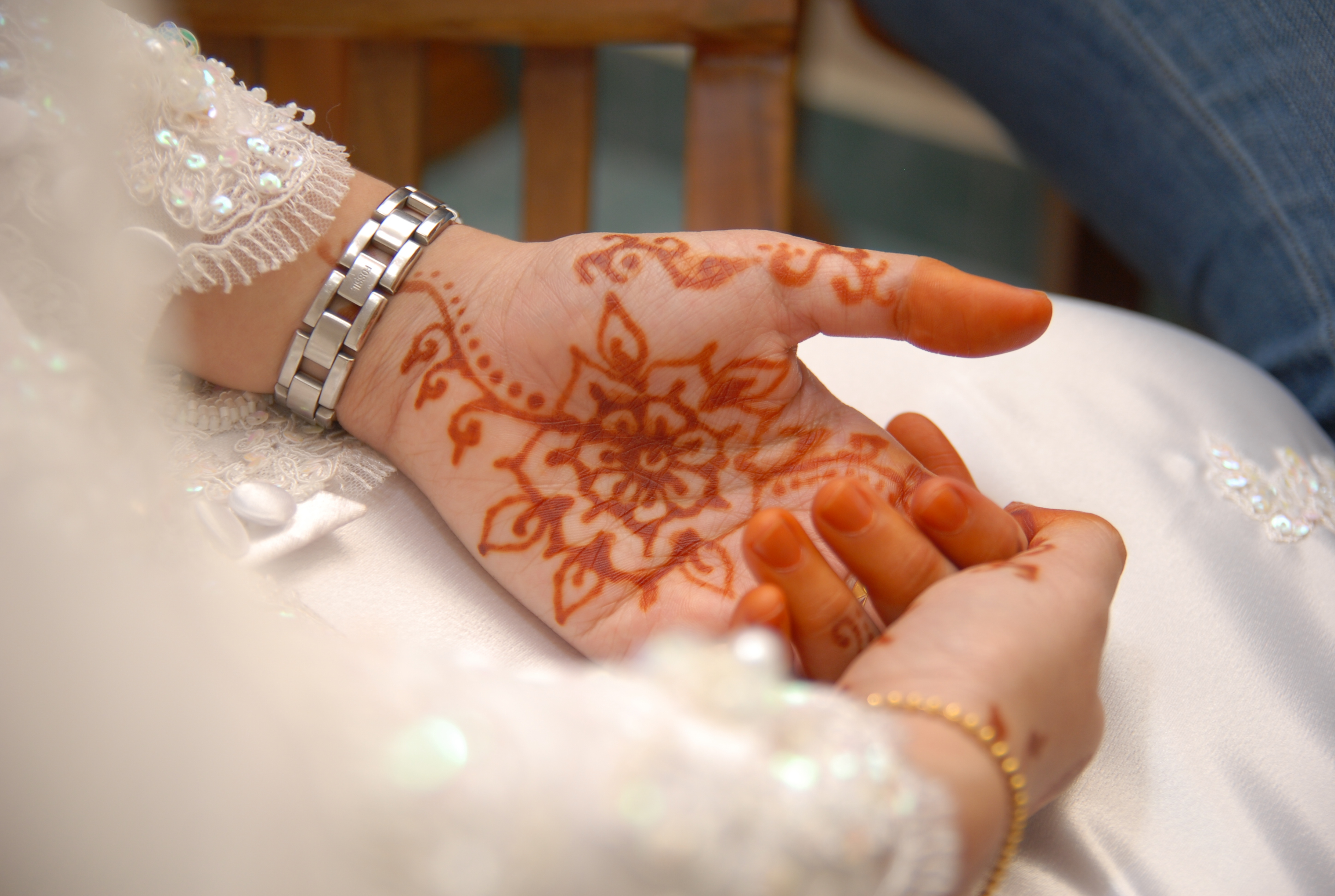
Amacam? Gorgeous, right? And it’s free baby, it’s free! Hehe. Oh don’t worry, 1 tube is more than enough to cover both hands (including palms), and feet. But too bad I didn’t do it on my feet. She offered to do it for me, but since there’s other places that I needed to go after that, so I didn’t do it. Karang buat kat kaki macam mana nak pakai selipar and jalan pulak kan? Hehe. Oh, my little sister did it too, on her hand (but a simpler one, of course. Mana boleh lawan pengantin kan. Hehe)
A little tips on how to darken the color of your Henna: Bila inai yang dah dilukis di tangan tu dah nak hampir kering, basahkan lagi dengan baby oil/minyak angin also can/or even plain water. Repeat this step a few more times. The more you do it, the darker the color of your Henna will be. I yang malas buat sekali je kot. Tu pun pakai plain water sahajork. Sebab tu tak pekat sangat color dia. Hehe. Harap maklum.
Oh by the way, thank you so much Swarna for using your skills and artisty to beautify both my hands for my wedding. And again, for free! Hehe.

Dr. Swarna (yang paling kanan) bersama-sama (dari kiri) Dr. Isa dan Dr. Jas
Okaylah. I think that’s a wrap. Stay tune for more updates on the wedding! Hehe. Dah kahwin sebulan lebih baru nak terhegeh-hegeh update pasal wedding. Gila syok sendiri kan aku nih. Hahaha.
P.S. Nak cakap sikit pasal Inai/Henna lukis ni. Ada pendapat yang kata haram buat inai lukis-lukis ni. Sebab menyerupai orang Hindu. Saya mula-mula pun ragu-ragu jugak. Tapi setelah sesi peng’google’lan, di website Jakim dijelaskan yang hukum melukis inai bagi perempuan ni harus. As long as lukisan tersebut tidak mengandungi gambar binatang, orang dan sewaktu dengannya. Setakat lukis bunga-bunga je takpe, diharuskan. Tak percaya boleh Google sendiri ye. Wallahualam.
Aish. Tak tahu kenapa tapi malas betul nak update blog. Padahal duduk rumah je ‘tanam anggur’ kan bukannya busy apa pun. Pasal wedding, honeymoon, family holiday semua pun malas sangat nak start tulis. Tapi memaksakan diri jugak. Semua nih pun untuk diri sendiri kan, self-documentation for future references. So nak tak nak, here goes..
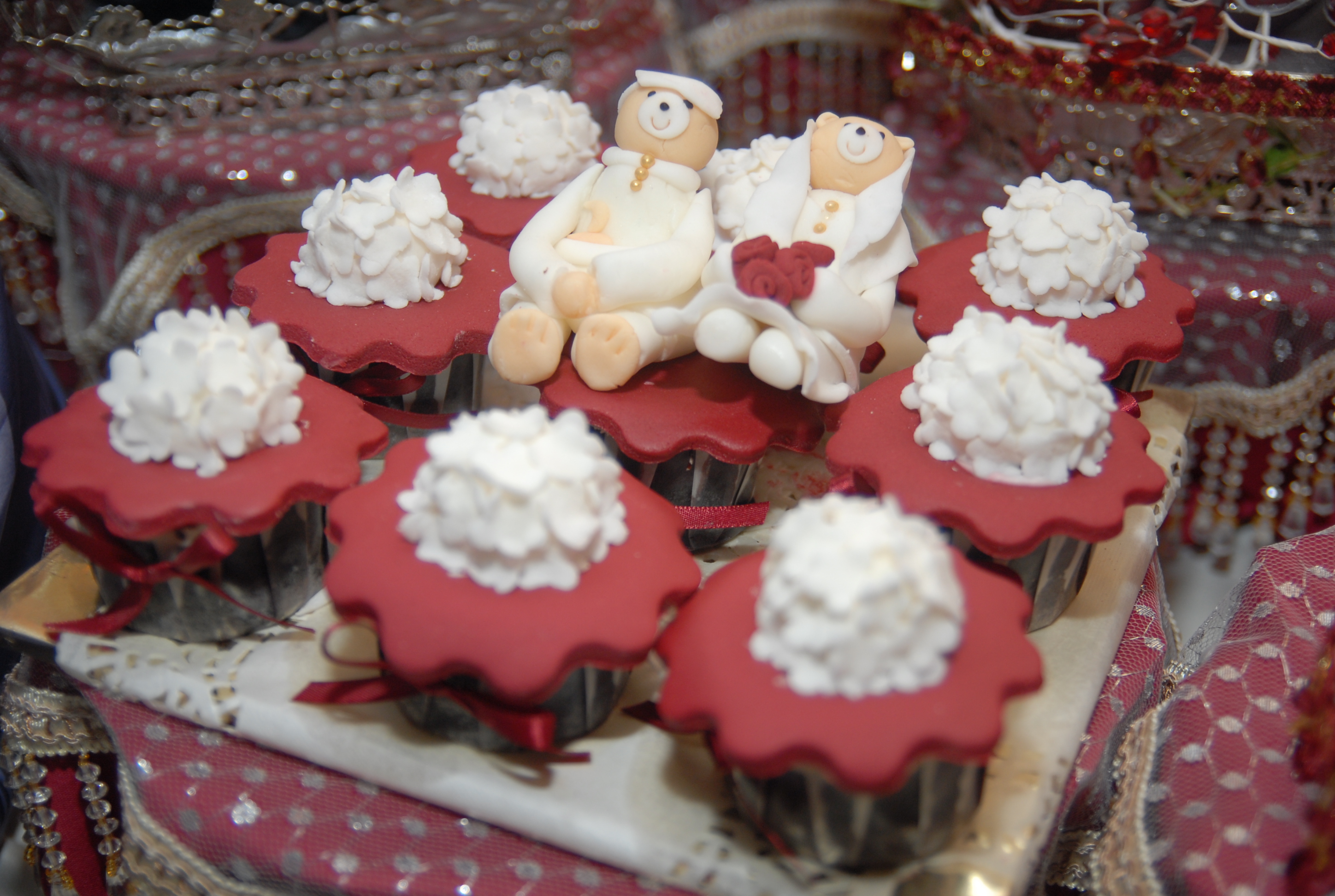
First update pasal wedding adalah cerita tentang cupcakes hantaran. Memang mula-mula waktu bloghopped kat wedding blogs nampak one of the blog yang ada guna khidmat Wizzcakes untuk buat cupcakes untuk hantaran. Sangat-sangat suka dengan the design sebab ada bear ‘pengantin’ yang pakai baju kahwin kan. Bear tuh macam signature sign Wizzcakes la sebab memang Wizzcakes je as far as I know yang do such unique design. Tapi at that time, sebab initially ada orang nak sponsor untuk buat cupcakes (please refer to this post) dengan wedding cake, so tak jadi la nak contact Wizzcakes.
Tapi tiba-tiba orang yang nak sponsor untuk semua tu back off last-last minute (refer to this post), saya pun menggelabah lah kan nak cari cupcakes untuk hantaran. Wedding cake memang terpaksa dilupakan sahaja sebab budget time tuh memang dah tak ada. Yelah, orang dah nak sponsor, so semua budget for all that dah di’allocate’kan untuk benda lain, dan bila last-last minute sponsorship batal, duit memang cukup untuk cupcakes hantaran jelah kan which is much more important.
So nak dijadikan cerita, memang dah rezeki Wizzcakes la kan. Saya terus contact my Maid of Honor; Cik Azreen (Soon to be Puan Azreen hehe) yang sangat berkaliber, tanya if she can help me with the problem. Azreen gave me a list of preferable cupcakes blogs yang Dia pernah berurusan dengan (so kesedapan and excellect service telah terbukti), and guess what, dengan jodohnya Wizzcakes is one of them! Saya terus e-mail Azreen contoh design, dan semua benda lain Dia yang uruskan. Phewww dah settle satu masalah kan. Hehe.
So as you can see, itulah dia gambar cupcakes hantaran saya. Mengikut official wedding theme color: maroon-white. Comel kan? Hehe. Tapi tak dapat merasa langsung cupcakes ni. Bear-bear tuh semua pun tak tahu lenyap kat mana. Ingat nak simpan buat kenangan kan. Tapi bila tanya-tanya semua tak tahu. Tak pelah. Nasib official photographer ada tangkap a few photos of the cupcakes. Puas hati lah dengan hasil kerja Wizzcakes ni. Ada 9 cupcakes altogether, and each of the cupcakes adalah sangat besar tau.
Demikian sahaja cerita cupcakes hantaran. Semoga berjumpa lagi di lain kali. Adios!
Banyaknya dugaan yang menguji kesabaran.. 😦 Ya Allah berilah aku kekuatan untuk menempuhi semua ini. I thought I was ready for all this, tapi rupanya tidak. Sometimes I do think of giving up. I really am not strong enough.
Understanding, dividing responsibility, give and take, helping each other. There’re all overrated.
😦
 I believe that life is a test: the struggles we go through and the ups and downs we have in our lives make us the people we are today. Nothing is ever as bad as it seems. TO LIVE IS TO CHANGE.


Merisik - 7th March 2009

Janji Dokter Muda - 7th April 2009
![Copy of IMG_9540 ed [i] t+](https://g3rm.files.wordpress.com/2009/05/copy-of-img_9540-ed-i-t.jpg "Copy of IMG_9540 ed [i] t+")
Convocation BMSc - 19th May 2009

Engagement - 1st November 2009

Solemnization - 1st January 2011


 Life Of A Rockstar